Blog
Moving to Quebec represents far more than a change of address—it’s an immersion into a distinct cultural landscape where European heritage meets North American pragmatism. This province stands apart within Canada, maintaining a predominantly French-speaking identity while navigating daily realities in both official languages. For newcomers, understanding these cultural nuances isn’t just helpful; it’s essential for building meaningful connections and feeling truly at home.
The journey of settling in Quebec touches every aspect of daily life, from decoding unspoken social rules at dinner tables to managing the psychological weight of five-month winters. Whether you’re navigating your first bilingual workplace, puzzling over appropriate tip percentages, or planning to experience the province’s celebrated food festivals, each interaction offers an opportunity to deepen your understanding of this unique society. This resource explores the fundamental pillars of Quebec life—cultural integration, social etiquette, seasonal adaptation, entertainment traditions, and culinary heritage—providing you with the context and confidence to thrive in your new environment.
Cultural Adaptation: Blending Heritage in a Bilingual Society
Quebec’s cultural identity represents a carefully preserved French foundation within an overwhelmingly Anglophone continent. For newcomers, this creates a fascinating but sometimes challenging environment where linguistic dexterity becomes a daily reality rather than an occasional skill.
Navigating the Bilingual Workplace
Professional environments in Quebec operate under Bill 101, which establishes French as the language of work. However, practical application varies significantly depending on your industry and location. Montreal workplaces often function bilingually, with meetings seamlessly switching between languages based on participants’ comfort levels. A typical scenario might involve receiving emails in French, attending presentations in English, and conducting client calls in whichever language the customer prefers. This linguistic flexibility requires mental agility and cultural sensitivity—knowing when to switch languages demonstrates respect rather than showing off.
Structuring Work-Life Balance
Quebecers maintain a distinctly European approach to work-life separation compared to the rest of North America. The province observes more statutory holidays than other Canadian provinces, and there’s a cultural expectation that evenings and weekends remain sacred family time. Unlike the “hustle culture” prevalent in some major cities, staying late at the office isn’t typically viewed as dedication but rather as poor time management. Understanding this rhythm helps newcomers avoid burnout while integrating more naturally into local professional culture.
Social Etiquette: From Tipping to Dining Codes
The unwritten rules governing social interactions in Quebec blend French politesse with North American informality, creating customs that can perplex even seasoned travelers.
Understanding Tipping Expectations
Quebec’s tipping culture differs markedly from both European standards and some other Canadian provinces. Restaurant servers, taxi drivers, and hairstylists typically expect 15% as a baseline, with 18-20% for excellent service. This higher expectation stems from the province’s lower minimum wage for tipped employees—currently sitting several dollars below the standard minimum wage. Unlike in France or the UK where service charges are included, Quebec servers depend substantially on gratuities. Performance venues, street performers, and entertainment staff also operate within this tipping ecosystem, though expectations vary by context.
Deciphering Social Dining Codes
Dining in Quebec carries subtle rituals that reveal the province’s cultural priorities. Meals are treated as social events rather than mere refueling stops—rushing through dinner raises eyebrows. The tradition of table d’hôte (fixed-price multi-course meals) reflects this leisurely approach. When invited to someone’s home, arriving exactly on time is considered slightly rude; a polite 15-minute delay allows hosts final preparations. Bringing wine or dessert isn’t obligatory but appreciated, and conversations typically avoid divisive topics like politics or religion until relationships deepen. These dining codes emphasize relationship-building over efficiency, a value that permeates Quebec society.
Embracing Winter: More Than Just Cold Weather
Winter in Quebec isn’t a season—it’s a defining characteristic of life itself, stretching from November through March with temperatures regularly plunging below -20°C. For newcomers from temperate climates, the adjustment involves both practical and psychological dimensions.
The concept of “winter mental load” describes the accumulated cognitive and emotional effort required to function during prolonged cold and darkness. This includes planning extra commute time for snow removal, managing children’s multiple clothing layers, dealing with reduced daylight affecting mood, and maintaining social connections when leaving home requires significant preparation. Successful adaptation means reframing winter from something to endure into something to embrace—Quebecers ice skate to work, hold outdoor festivals in February, and maintain active social calendars regardless of temperature.
Practical strategies include investing in proper winter gear (a quality parka rated to -30°C isn’t optional), discovering winter activities that bring joy rather than obligation, and recognizing that seasonal affective patterns are normal and manageable. Many newcomers find that participating in winter traditions like sugar shack visits, pond hockey, or the Quebec Winter Carnival transforms their relationship with the season from adversarial to appreciative.
Entertainment Culture: Performances and Public Events
Quebec’s vibrant performance culture reflects its identity as a society that values artistic expression, from intimate comedy clubs to world-renowned circus productions. Understanding the etiquette and logistics around entertainment helps newcomers participate fully in this cultural dimension.
Identifying Performance Types and Etiquette
The province hosts diverse performance styles, from traditional chansonniers (singer-songwriters) in small venues to large-scale Cirque du Soleil productions. Each format carries different expectations. Intimate venues encourage audience participation and interaction with performers between sets, while formal theaters maintain stricter protocols about silence and applause timing. Street performers, particularly prevalent in Old Montreal and Quebec City’s tourist districts, operate under municipal licensing systems and expect compensation for stopping to watch—a few dollars acknowledges their craft.
Understanding Schedule Limitations and Licensing
Quebec’s entertainment industry operates under specific regulatory frameworks that affect performance schedules. Noise bylaws mean most venues must conclude amplified performances by 11 PM on weeknights, earlier in residential neighborhoods. The province’s liquor licensing laws create distinct categories—bars with performance permits, restaurants with occasional entertainment allowances, and dedicated performance halls—each with different operating parameters. For festival-goers, this means major events often concentrate activities during afternoon and early evening hours, creating family-friendly atmospheres quite different from late-night festival cultures elsewhere.
Culinary Journey: From Heritage Dishes to Food Festivals
Quebec’s food culture represents one of its most accessible and delicious entry points for cultural understanding. The province’s cuisine reflects its history—French techniques adapted to local ingredients, British influences, and Indigenous food traditions creating something entirely distinct.
Exploring Regional Specialties and Heritage Dishes
Authentic Quebec cuisine centers on hearty, comfort-focused dishes developed during harsh winters. Tourtière (spiced meat pie) varies by region—Montreal versions typically use pork and veal, while Lac-Saint-Jean styles incorporate game meats and potatoes within the crust itself. Poutine, now internationally recognized, originated in rural Quebec in the late 1950s and remains a point of provincial pride when executed properly: fresh cheese curds that squeak, hand-cut fries, and rich brown gravy. Sugar shack traditions (cabanes à sucre) transform maple sap harvesting into festive meals featuring ham, beans, eggs, and tire d’érable (maple taffy on snow)—a seasonal ritual marking winter’s end.
Planning Food Festival Experiences
Quebec’s culinary calendar revolves around seasonal celebrations that transform ingredients into community events. The Quebec Winter Carnival showcases cold-weather treats like caribou (a spiced alcoholic beverage), beaver tails (fried dough pastries), and pea soup served outdoors. Summer brings strawberry festivals in Île d’Orléans, garlic celebrations in Lanaudière, and poutine weeks in Montreal. Planning around these events requires understanding that popular festivals sell out weeks in advance, and budgeting appropriately—food event costs can range from $15 per person at local producers’ markets to $75+ for multi-course heritage dinners. Timing visits to coincide with harvest seasons (apple picking in September, sugar shacks in March-April) provides authentic experiences unavailable during other months.
Selecting Authentic Dining Experiences
Finding genuine Quebec cuisine requires looking beyond tourist-focused establishments. Traditional restaurants often operate in unexpected locations—the best tourtière might come from a bowling alley restaurant in Trois-Rivières, while exceptional seafood appears in unassuming roadside cabins along the Gaspésie coast. Understanding side dishes helps identify authentic establishments: real Quebec restaurants serve their meat pies with cretons (pork spread), pickled beets, and homemade ketchup rather than generic vegetables. Dessert menus featuring pouding chômeur (unemployment pudding), tarte au sucre (sugar pie), or seasonal specialties using local blueberries or cranberries signal kitchen authenticity over commercial convenience.
Settling into Quebec life means embracing complexity—honoring French linguistic heritage while functioning bilingually, celebrating winter rather than merely surviving it, and understanding that meals, performances, and daily interactions carry cultural weight beyond their surface functions. These elements aren’t obstacles to overcome but rather invitations to participate in a society that values its distinctiveness. As you navigate tipping calculations, workplace language dynamics, and the best timing for sugar shack visits, remember that cultural fluency develops through experience rather than perfection. Each interaction deepens your understanding, transforming you from newcomer to participant in Quebec’s unique cultural tapestry.
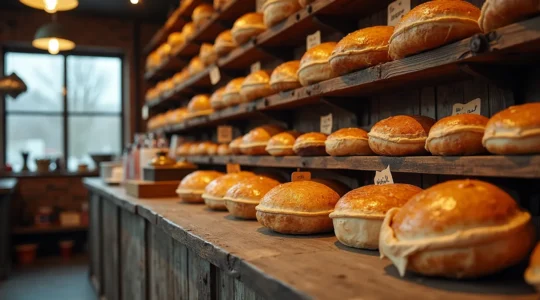
Where to Find Authentic Cipaille (and Other Classics) in Quebec City
To truly eat like a local in Quebec City, you must look beyond poutine and learn to recognize the subtle signifiers of authentic heritage cuisine, from the cut of the meat in a pie to the house-made condiments on the…
Read more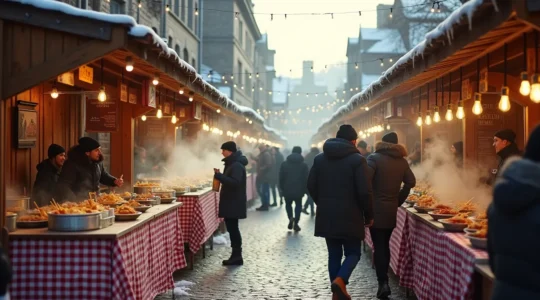
Quebec’s Traditional Gastronomy Festivals: What to Eat Beyond Poutine and Tourtière
The key to unlocking Quebec’s authentic food scene isn’t just what you eat, but how you strategically navigate its festivals. Uncover deep regional rivalries, like the intense debate between Cipaille and Tourtière du Lac, to taste the province’s true culinary…
Read more
Old Quebec Street Performers: A Pro’s Guide to Tipping & Terrace Etiquette
Many tourists see street shows as free entertainment. The reality is they are a collaborative performance funded directly by you. This guide reveals the unwritten rules of this partnership, from the $2 ‘Toonie Standard’ for tipping to audience etiquette, transforming…
Read more
Your Guide to the Quebec Lifestyle: How to Balance European Charm with North American Pace
Adapting to Quebec isn’t about learning a list of rules; it’s about decoding a unique cultural operating system that blends European formality with North American efficiency. Professional life values punctuality and results over long hours (présentéisme is frowned upon). Social…
Read more