Destinations & Cities to Discover
Quebec City stands as one of North America’s most distinctive urban destinations, where centuries-old European architecture meets the practical realities of modern tourism. The cobblestone streets that give Old Quebec its UNESCO World Heritage status also present unique navigation challenges. The iconic landmarks that draw visitors from around the world require strategic planning to experience fully. Meanwhile, seasonal events transform the city into different destinations throughout the year, each demanding its own approach to logistics and preparation.
Understanding how to navigate Quebec’s diverse attractions—from its historic fortified district to its urban green spaces and panoramic observation points—can mean the difference between a frustrating visit and an enriching experience. This comprehensive resource explores the practical considerations that shape successful trips to Quebec City, whether you’re managing mobility challenges on historic terrain, timing your visit to iconic landmarks, coordinating family logistics in pedestrian zones, or maximizing the city’s spectacular viewpoints.
Understanding Historic Urban Landscapes and Accessibility
Old Quebec’s designation as a World Heritage Site reflects its remarkably preserved 17th-century urban layout, but this historic authenticity comes with inherent physical challenges that modern visitors must anticipate and navigate thoughtfully.
The Physical Reality of Heritage Infrastructure
The fortified Upper Town sits approximately 100 meters above the Lower Town, connected by steep streets, staircases, and funiculars that follow the natural cliff topography. This dramatic elevation change creates what many visitors underestimate: sustained climbs on uneven surfaces that can exhaust even physically fit travelers. The cobblestone streets, while visually charming, feature irregular stone placement that has shifted over centuries, creating uneven surfaces that challenge standard footwear, mobility devices, and strollers alike.
Recent infrastructure assessments indicate that fewer than 40% of Old Quebec’s heritage streets meet contemporary accessibility standards, a limitation inherent to preserving historical authenticity. Visitors using wheelchairs, walkers, or strollers must plan routes carefully, often taking significantly longer paths to reach destinations that appear close on maps but require navigating staircases or impossibly steep grades.
Strategic Route Planning and Equipment Considerations
Successful navigation requires matching your physical capabilities and equipment to the terrain. Footwear selection becomes critical—fashion shoes with smooth soles offer inadequate grip on polished cobblestones, particularly during Quebec’s frequent rain or when ice forms in colder months. Ankle-supporting footwear with deep tread patterns provides necessary stability on uneven surfaces.
For those with mobility considerations, identifying elevator and funicular access points before arrival proves essential. The Funiculaire du Vieux-Québec provides wheelchair-accessible transit between Upper and Lower Towns, while specific hotels and public buildings offer elevator access to higher elevations. Planning itineraries that minimize elevation changes—exploring Upper Town and Lower Town separately rather than moving between them multiple times—reduces physical strain considerably.
Winter-Specific Navigation Challenges
Quebec’s winter transforms accessibility challenges significantly. Temperatures regularly dropping below -20°C create persistent ice accumulation on cobblestones, even with municipal salting and sanding efforts. The combination of cold, ice, and uneven surfaces increases fall risks substantially, making tactical footwear (crampons or ice cleats) virtually essential rather than optional for winter visitors.
Cold exposure also necessitates frequent warming breaks, but historic buildings often restrict public access to paying customers. Identifying free warming locations—including the Quebec City Hall lobby, certain church vestibules, and public market buildings—allows for strategic rest stops that prevent dangerous cold exposure while managing physical fatigue from difficult terrain.
Experiencing Iconic Landmarks Beyond Traditional Tourism
Quebec City’s most photographed landmark dominates the skyline and visitor itineraries, but experiencing it meaningfully doesn’t require an overnight stay at luxury rates. Understanding how to access and appreciate iconic structures as a day visitor requires different strategies than traditional hotel-guest experiences.
Public Access and Respectful Exploration
The Château Frontenac, while functioning as a luxury hotel, maintains certain public spaces accessible to non-guests, including its grand lobby, specific terrace areas, and ground-floor commercial zones. These spaces allow visitors to experience the building’s architectural grandeur and historical significance without accommodation costs that can exceed $400 per night during peak seasons.
Timing visits during shoulder hours—mid-morning on weekdays or early afternoon—helps avoid both tour group congestion and the busiest check-in periods when staff attention focuses on paying guests. This strategic timing provides more relaxed exploration opportunities and better access to staff who can share historical insights when their workload permits.
Historical Context and Guided Interpretation
Understanding a landmark’s historical significance enhances appreciation beyond superficial photo opportunities. The Château Frontenac’s construction in the 1890s represented a strategic initiative by the Canadian Pacific Railway to encourage transcontinental tourism by creating destination hotels. This context—that the building itself was designed specifically to attract visitors—reframes its role in Quebec City’s tourism economy as foundational rather than incidental.
Several guided walking tours include detailed Château Frontenac segments, providing architectural and historical interpretation that self-guided visits cannot match. These tours often access or view areas unavailable to casual visitors, offering perspectives on the building’s evolution, its role in diplomatic history (including the Quebec Conferences during World War II), and its influence on Quebec City’s development.
Photography Strategies and Seasonal Events
Exterior photography opportunities vary dramatically by season and time of day. The Dufferin Terrace boardwalk provides the classic frontal perspective, but side angles from Rue des Carrières or elevated views from Upper Town streets offer less common compositions. Winter’s early sunsets create optimal golden hour lighting around 3:30-4:00 PM, while summer’s extended daylight allows for 8:00-8:30 PM shots with warm light and fewer crowds.
The landmark serves as backdrop for numerous seasonal events—including outdoor classical music performances, holiday light installations, and winter ice sculpture displays—that provide unique experiencing opportunities beyond standard visits. Monitoring the official Quebec City tourism calendar reveals these limited-time opportunities that can transform a landmark visit into a distinctive experience unavailable during most of the year.
Family-Friendly Destinations and Practical Logistics
Certain Quebec destinations market themselves as family-friendly but present logistical challenges that can overwhelm unprepared parents. Pedestrian-only resort villages, while eliminating vehicle traffic dangers, create specific challenges for families managing strollers, tired children, and the equipment young travelers require.
Parking Strategies and Initial Access
Car-free zones necessitate peripheral parking with walking or shuttle access to accommodations and attractions. In popular family destinations like Mont-Tremblant’s pedestrian village, parking facilities can fill completely during peak periods (holiday weeks, long weekends), requiring arrival before 10:00 AM to secure reasonably close parking. Understanding parking tier systems—where closer lots cost significantly more—helps families balance budget constraints against the physical reality of transporting luggage and children from distant lots.
Many resort villages operate shuttle services from parking areas, but these often lack sufficient space for strollers, particularly full-size models. Families using strollers frequently find walking from parking more practical than waiting for shuttles with adequate cargo space, making parking location selection critical to initial arrival stress levels.
Stroller Logistics on Heritage Surfaces
Cobblestone streets, wooden boardwalks, and uneven pavement create substantial stroller navigation challenges. Full-size strollers with small wheels become nearly impossible to maneuver on irregular surfaces, while umbrella strollers lack the wheel size to roll smoothly over cobblestones. All-terrain strollers with larger, air-filled tires handle these surfaces more effectively but require more storage space and higher initial investment.
Baby carriers (both front-carriers and hiking-style backpack carriers) often provide more practical solutions than strollers in historic districts and pedestrian resort villages. This shift requires planning—ensuring carriers suit your child’s age and weight, and that parents build tolerance for carrying weight over extended periods before arrival.
Budget-Conscious Family Dining and Essential Facilities
Resort dining typically commands premium pricing, with family meals often exceeding $80-100 at table-service restaurants. Identifying more affordable options requires looking beyond obvious tourist corridors. In Quebec City, venturing three blocks beyond the main tourist zones in Old Quebec can reduce meal costs by 30-40% while maintaining quality and atmosphere.
Locating essential facilities—particularly clean, accessible washrooms and baby-changing stations—before urgent need arises reduces family stress significantly. Major museums, tourism offices, and larger hotels typically maintain facilities accessible to non-customers, though staff discretion applies. The Quebec City tourism app includes facility locations, though battery-dependent technology shouldn’t be your only resource in cold weather when phone batteries drain rapidly.
Seasonal Events and Winter Tourism Essentials
Quebec’s Carnaval represents one of North America’s largest winter festivals, but this 17-day celebration presents unique logistical challenges distinct from typical city tourism. Successfully navigating major winter events requires understanding crowd management, extreme cold preparation, and event-specific systems that may seem confusing to first-time participants.
Understanding Event Infrastructure and the Effigy System
Carnaval centers around Bonhomme, the festival’s official ambassador, whose scheduled appearances draw concentrated crowds. The “effigy system” refers to Bonhomme’s structured appearance schedule across multiple venues and events, requiring strategic planning to experience specific activities. Understanding that Bonhomme cannot physically be everywhere simultaneously helps families set realistic expectations and prioritize which appearances matter most to their experience goals.
Official event schedules release several weeks before Carnaval, allowing advance planning of which activities to prioritize. However, weather-dependent schedule changes occur frequently, making real-time information access essential. The official Carnaval app provides updated schedules, but as noted with family logistics, cold weather rapidly depletes phone batteries, making backup plans and printed schedules prudent.
Cold Weather Preparation for Static Activities
Watching parades, ice sculpture competitions, or stage performances involves extended periods of standing still—a fundamentally different challenge than walking or active winter recreation. Static standing in -15°C to -25°C temperatures with wind chill requires different clothing strategies than active winter sports.
Layering principles shift toward insulation over breathability. Heavy insulated boots rated to at least -40°C become essential, as feet in contact with frozen ground lose heat rapidly when motionless. Hand and toe warmers provide supplemental heat that extends comfortable outdoor duration significantly. Many experienced Carnaval participants bring insulated stadium seats or foam pads to stand on, reducing ground-contact cold transfer that standard footwear cannot fully prevent.
Warming Stations and Transportation Logistics
Carnaval organizers establish heated rest areas throughout the event footprint, but these fill to capacity during peak attendance periods. Identifying backup warming locations—nearby cafes, hotels, or public buildings—provides alternatives when official warming stations become uncomfortably crowded or temporarily closed.
Parking becomes extremely limited during major Carnaval weekends, with downtown lots typically full by early afternoon. The park-and-ride shuttle system operating from peripheral lots provides more reliable access than attempting to find downtown parking. These shuttles run on published schedules but often fill to capacity during peak hours, potentially requiring waits for subsequent buses during the busiest periods.
Urban Green Spaces and Year-Round Recreation
The Plains of Abraham holds a unique dual identity as both a historically significant battlefield site and Quebec City’s primary urban park, offering recreational opportunities that shift dramatically across seasons while maintaining year-round accessibility and programming.
Historical Interpretation and Modern Recreation
The site’s 1759 battle determined Canada’s colonial trajectory, making it one of North America’s most historically significant urban landscapes. Interpretive markers throughout the park explain tactical positions, troop movements, and the battle’s broader implications. Understanding this historical layer enriches what might otherwise seem like simple parkland, connecting recreational use to the events that shaped modern Quebec and Canadian identity.
The park functions actively as recreation space, with locals using it for jogging, cycling, cross-country skiing, and informal sports. This dual use creates an authentic local atmosphere distinct from purely tourist-oriented attractions. Visitors who engage with the space as locals do—bringing picnics, using walking trails for exercise rather than just sightseeing—experience a different dimension of Quebec City life.
Seasonal Activity Transitions
Summer transforms the Plains into concert venue space, with the Festival d’été de Québec using the grounds for major performances that can draw crowds exceeding 80,000 attendees for headliner acts. These events temporarily convert the historical park into a music festival venue, offering unique experiencing opportunities but fundamentally changing the space’s character and accessibility during event periods.
Winter access shifts to cross-country ski trails and snowshoe paths that traverse the same landscape summer visitors walk freely. Trail grooming typically begins after sufficient snow accumulation, generally by late December, with maintained trails continuing through March. This seasonal transformation requires different planning—equipment rental locations, trail difficulty assessments, and understanding that some park areas become inaccessible when converted to winter sports use.
Identifying Optimal Picnic Zones and Hidden Features
The park’s expansive size (over 100 hectares) means some areas remain relatively quiet even during busy periods. The southern sections toward Avenue George VI typically see less traffic than the areas immediately adjacent to Old Quebec, providing more peaceful picnic opportunities with equally impressive views of the St. Lawrence River.
Hidden features include Martello towers (fortified defensive positions from the early 1800s), Joan of Arc garden areas, and specific viewpoints overlooking the river that don’t appear on simplified tourist maps. Dedicating time to explore beyond the main central field reveals these quieter, often more interesting features that casual visitors frequently miss entirely.
Maximizing City Views and Photography Opportunities
Quebec City’s dramatic topography creates numerous panoramic viewpoints, but the quality, accessibility, and cost of these observation points vary significantly. Understanding the comparative advantages of different vantage points helps visitors prioritize which views merit their time and potential admission fees.
Evaluating Paid Observation Options
The Observatoire de la Capitale—located in a government building outside the tourist core—offers 360-degree views from the 31st floor for a modest admission fee (typically around $15 for adults). This paid option provides climate-controlled viewing, interpretive displays explaining the landscape below, and perspectives unavailable from ground-level or low-elevation viewpoints. The observation deck faces all directions, allowing views of both the historic district and the modern city, the St. Lawrence River’s expansive width, and the Laurentian mountains beyond.
Weather timing matters significantly for paid observation decks. Visiting during overcast conditions or when fog obscures distant features reduces value substantially. Checking real-time weather conditions and visibility reports before committing to admission fees ensures you’re paying for optimal viewing conditions rather than gray obscurity.
Free and Alternative Viewpoint Strategies
The Quebec-Lévis ferry, operating as part of the public transit system, costs only regular transit fare (under $4) but provides spectacular waterborne views of the Quebec City skyline and Château Frontenac. The 12-minute crossing offers photography opportunities impossible from land-based viewpoints, with the changing perspective as the ferry crosses creating dynamic composition possibilities.
Several hotels maintain rooftop bars or upper-floor restaurant spaces where purchasing a beverage provides access to elevated views at significantly lower cost than room rates. A $10 drink at a rooftop venue delivers views comparable to those from expensive hotel rooms, requiring only the social appropriateness of being a paying customer rather than a hotel guest.
Physical Viewpoints and Sunset Timing
Free viewpoints requiring physical access include the Escalier Casse-Cou area and various Upper Town lookout points along the cliff edge. These locations offer excellent views without admission costs but may require climbing stairs or navigating challenging terrain, particularly in winter conditions when ice makes staircases and slopes genuinely dangerous.
Sunset timing significantly affects viewpoint photography quality. Quebec’s northern latitude creates substantial seasonal variation—summer sunsets occurring around 8:30 PM versus winter sunsets near 4:00 PM. The St. Lawrence River’s orientation means sunset light illuminates the city from specific angles that change throughout the year, with spring and fall often providing optimal lighting angles that summer’s late, high sun angle cannot match. Understanding these patterns helps visitors time viewpoint visits for maximum photographic impact, particularly when travel schedules limit flexibility for multiple attempts.
Successfully discovering Quebec City’s diverse attractions requires moving beyond surface-level tourism to understand the practical realities that shape actual visitor experiences. From historic terrain challenges to seasonal event logistics, from family coordination to viewpoint strategies, each aspect of Quebec exploration benefits from informed planning. The articles linked throughout this resource provide detailed guidance for specific scenarios, allowing you to deepen your preparation for the particular challenges and opportunities your Quebec visit will encounter. Whether you’re navigating cobblestones, timing a winter festival, or capturing the perfect panorama, understanding these foundational considerations transforms potential frustrations into confidently managed elements of a richer travel experience.
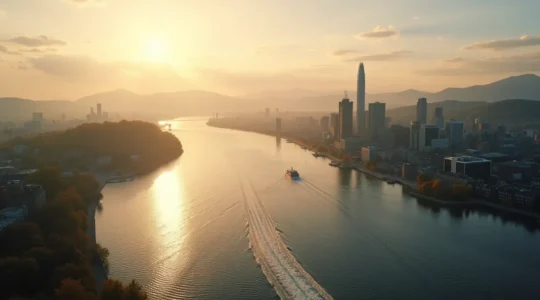
Observatoire de la Capitale vs. The Ferry: A Photographer’s Guide to Quebec’s Best Views
The perfect Quebec City skyline photo depends on whether you value a controlled, panoramic canvas (Observatoire) or a dynamic, iconic water-level composition (Ferry). The Observatoire de la Capitale offers the highest, weather-proof viewpoint for expansive, map-like cityscapes. The Québec-Lévis Ferry…
Read more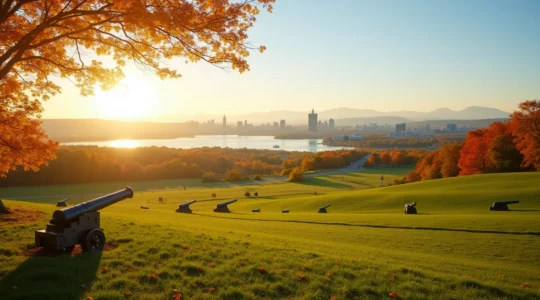
Your Complete Guide to the Plains of Abraham: Picnics, History, and Sports
In summary: The Plains of Abraham is a vast park with a dual identity: a historic battlefield and a modern recreational hub. Maximizing your visit requires choosing the right spot for your activity, from picnics and concerts to skiing. Key…
Read more
Surviving the Quebec Winter Carnival with Kids: A Logistics Guide
In summary: Mastering the Carnival with kids isn’t about seeing everything, but about strategic logistical planning to manage warmth, energy, and crowds. Save significant money and time by buying your Effigy pass during the presale period at local retailers before…
Read more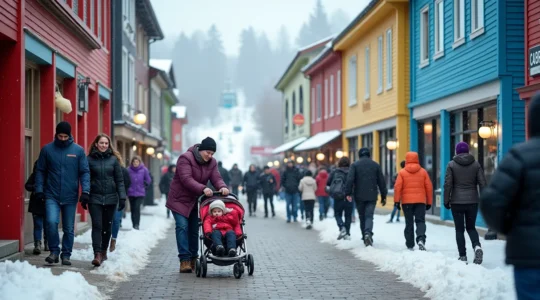
Navigating Mont-Tremblant’s Village with Kids: A Sherpa’s Guide to Parking, Strollers, and Crowds
The secret to a successful Mont-Tremblant family trip isn’t which activities you choose, but mastering the logistical game of the ‘in-between’ moments. Prioritize paid parking to drastically reduce the “schlep factor” of carrying gear and tired children. Ditch the city…
Read more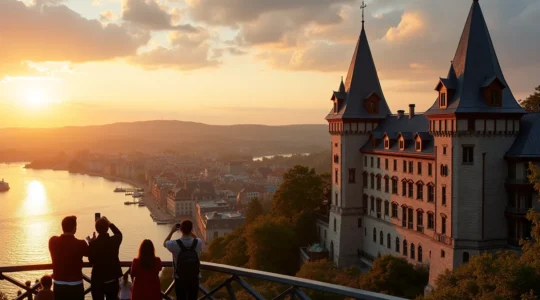
Experience the Château Frontenac Without Breaking the Bank: A Hacker’s Guide to Dining and Tours
Experiencing the Château Frontenac’s luxury isn’t about skipping it; it’s about strategically accessing its best features for a fraction of the cost. The best view-to-cost ratio is a specific cocktail at the 1608 Bar, not a full, expensive meal. The…
Read more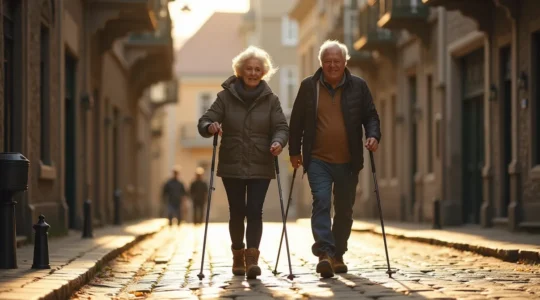
A Local Guide’s Secrets to Walking Old Quebec’s Cobblestones Without the Pain
The secret to enjoying Old Quebec’s cobblestones isn’t endurance, but strategic planning that prioritizes comfort over distance. Prioritize footwear with thick, shock-absorbing soles (like hikers or walking shoes) over fashion boots to prevent foot fatigue. Use “strategic pauses”—like the Funicular…
Read more