Travel & Getaways
Quebec stands apart as a travel destination where European heritage meets North American wilderness, where each season transforms the landscape into an entirely different experience. From the fortified ramparts of Old Quebec to the vast boreal forests flanking the St. Lawrence River, this francophone province offers a distinctive blend of cultural depth and natural grandeur that appeals to history enthusiasts, nature lovers, and adventure seekers alike.
Understanding Quebec’s travel landscape means recognizing how profoundly the seasons shape every experience here. Winter brings ice palaces and legendary toboggan runs, spring awakens the maple sap flow and traditional sugar shack gatherings, autumn paints the Laurentian forests in spectacular crimson and gold, while summer opens the waterways for wildlife observation. This comprehensive resource introduces the key experiences, practical considerations, and seasonal opportunities that define Quebec getaways, helping you navigate the province’s diverse offerings with confidence.
What Makes Quebec a Distinctive Travel Destination
Quebec’s unique position as North America’s largest francophone region creates a cultural atmosphere unlike anywhere else on the continent. The province’s European architectural heritage—particularly visible in Quebec City’s UNESCO-protected Old Town—coexists with vast wilderness areas stretching north to the Arctic tundra. This duality means you can explore 17th-century stone fortifications in the morning and kayak alongside beluga whales in the afternoon.
The province experiences four dramatically distinct seasons, each offering completely different activities and landscapes. Winter temperatures regularly drop below -20°C, creating ideal conditions for ice hotels, snow festivals, and winter sports. Summer brings warm, sunny days perfect for river cruises and outdoor festivals. These seasonal extremes aren’t obstacles—they’re the foundation of Quebec’s tourism appeal, with locals having perfected the art of celebrating each season’s unique possibilities.
Quebec’s geography also creates remarkable diversity within relatively compact distances. The St. Lawrence River serves as the province’s central axis, with the Laurentian Mountains rising to the north and the Appalachian foothills extending south. This varied terrain supports everything from gentle river valley drives to challenging mountain ascents, all typically within a two-hour drive from major urban centers like Montreal or Quebec City.
Historic and Cultural Immersion
Quebec’s most compelling cultural experiences connect visitors directly to living traditions that have persisted for centuries, offering opportunities to step beyond observation into genuine participation and understanding.
Exploring Quebec City’s Fortified Heritage
Quebec City remains the only fortified city north of Mexico, its stone ramparts and bastions forming a defensive system designed by French and British military engineers over two centuries. Walking these walls isn’t merely a scenic activity—it’s a lesson in military architecture adapted to New World conditions. The star-shaped fortifications demonstrate how European defensive theories were modified for Quebec’s cliff-edge topography and severe winter climate.
The ramparts reveal their strategic genius most clearly at key bastions where overlapping fields of fire protected vulnerable approaches. Self-guided tours allow you to trace the evolution from French colonial defenses through British imperial modifications, while timed visits during ceremonial events like the Changing of the Guard or cannon firings add historical context through authentic military protocols still practiced by interpreters in period uniforms.
Experiencing the Authentic Maple Syrup Tradition
Quebec produces over 70% of the world’s maple syrup, and the spring sugaring-off season (typically late February through April) offers visitors access to a cultural tradition deeply embedded in Quebecois identity. Traditional sugar shacks (*cabanes à sucre*) combine maple production facilities with communal dining halls where families gather for meals featuring maple-infused dishes.
The experience centers on understanding the transformation process: how freezing nights and warming days create sap pressure, how 40 liters of sap reduce to one liter of syrup, and how different boiling stages produce varying syrup grades. The highlight for many visitors is maple taffy on snow (*tire sur la neige*)—hot syrup poured onto clean snow and rolled onto wooden sticks as it crystallizes. Many sugar shacks welcome children into the collection process, explaining the traditional tapping methods and modern tubing systems that have transformed but not eliminated this seasonal ritual.
Seasonal Wonders and Natural Spectacles
Quebec’s natural beauty operates on a seasonal calendar, with certain phenomena appearing for brief windows that demand strategic timing and preparation from visitors seeking the most dramatic experiences.
Fall Foliage Road Trips
The autumn color transformation across Quebec’s hardwood forests creates one of the world’s most spectacular natural displays, typically peaking between late September and mid-October depending on elevation and latitude. The Laurentian region north of Montreal and the Eastern Townships offer particularly dense concentrations of sugar maples, whose brilliant red leaves mix with the golden yellows of birch and aspen.
Successful foliage trips require understanding the peak timing, which varies by roughly one week for each 100 kilometers of northward travel and shifts with elevation. The challenge lies in balancing accessibility with authenticity—main routes like Route 138 along the St. Lawrence’s north shore offer convenient viewing but attract crowds, while secondary roads through the Charlevoix region or Mauricie National Park provide more intimate experiences. Many travelers combine scenic drives with stops at local cideries, cheese producers, and rural markets, turning the visual experience into a broader exploration of Quebec’s agricultural heritage.
Winter’s Ephemeral Architecture
The Hôtel de Glace near Quebec City represents an extreme expression of Quebec’s embrace of winter, reconstructed annually from 500 tons of ice and 15,000 tons of snow into a temporary structure featuring ice beds, frozen chapels, and sculptural details that exist for roughly three months before melting. This ephemeral architecture demonstrates how severe cold can be transformed from a challenge into a creative medium.
Photographing and experiencing the ice hotel requires specific preparation—protecting camera equipment from condensation when moving between frigid interior spaces and heated areas, timing visits to capture how natural light filters through ice walls during different times of day, and understanding the construction techniques that create surprisingly insulated spaces despite being built entirely from frozen water. The structure typically opens in early January and remains accessible through late March, with weekday morning visits offering the best balance of optimal lighting and manageable visitor numbers.
Adventure and Wildlife Experiences
Quebec’s vast territory and diverse ecosystems support adventure activities ranging from gentle wildlife observation to physically demanding mountain pursuits, each requiring appropriate preparation and seasonal awareness.
Maritime Wildlife Excursions
The St. Lawrence River and Gulf system supports one of the world’s most accessible populations of large marine mammals, with up to thirteen whale species visiting or residing in these waters seasonally. Excursions from Tadoussac, Rivière-du-Loup, or Gaspésie offer opportunities to observe minke whales, fin whales, and the St. Lawrence beluga population, with timing significantly affecting which species you’ll encounter.
Successful whale watching balances comfort with wildlife success. Vessel stability varies considerably—larger boats with enclosed cabins provide steadier platforms but less intimate viewing, while zodiac-style craft offer closer approaches but rougher rides. The prime season runs from May through October, with belugas present year-round near Tadoussac, blue whales appearing from June through September, and humpback activity peaking in autumn. Preventing seasickness involves choosing morning departures when waters tend to be calmer, positioning yourself midship where motion is minimized, and considering preventive medication if you’re susceptible. Ethical operators maintain proper distances, limit approach speeds, and contribute to research programs monitoring these populations.
Hiking Steep Terrain and Winter Thrills
Quebec’s mountainous regions present hiking challenges amplified by the province’s climate extremes. Popular ascents like Mont Tremblant or trails in Charlevoix require preparation beyond standard hiking considerations—weather can shift dramatically with elevation, trails may traverse protected ecosystems with strict flora protection rules, and rocky terrain demands appropriate footwear with aggressive tread patterns.
Winter introduces specialized thrills like the 1884 Toboggan Slide in Quebec City’s Dufferin Terrace, where riders on traditional wooden sleds reach speeds exceeding 70 kilometers per hour down an ice-covered run constructed annually since the late 19th century. Managing these experiences involves understanding queue patterns (night rides typically have shorter waits but colder conditions), the physical effort of hauling sleds back uphill, and safety compliance measures that have evolved to protect participants while preserving the authentic character of these historic activities.
Planning Your Quebec Getaway
Successful Quebec travel hinges on aligning your visit with seasonal opportunities while preparing for the province’s climatic realities and booking patterns that vary considerably across different experiences.
Seasonal timing affects more than just scenery—it determines which activities are possible, accommodation availability, and even road accessibility in remote regions. Winter activities like the ice hotel and snow festivals operate on compressed schedules dictated by weather, typically requiring advance reservations. Spring maple season experiences book quickly among local visitors, making early reservation essential. Summer offers maximum accessibility but brings peak tourism volumes to popular sites. Autumn foliage viewing involves timing uncertainty, since peak color dates shift annually based on temperature patterns.
Practical preparation must account for Quebec’s temperature extremes and francophone context. Layered clothing systems are essential year-round, with winter requiring serious cold-weather gear including insulated boots rated to at least -30°C. While major tourist areas accommodate English speakers comfortably, learning basic French phrases enhances interactions and demonstrates cultural respect. Vehicle preparation for winter driving—understanding snow tire requirements and winter driving techniques—becomes mandatory for independent exploration during colder months.
Different experiences demand different booking approaches. Popular sugar shacks may fill weeks in advance for weekend reservations, while weekday visits often accommodate walk-ins. Maritime excursions benefit from flexible scheduling, allowing you to choose optimal weather days within a multi-day window. Cultural sites in Quebec City offer different values depending on whether you prefer guided interpretation or independent exploration, with each approach suited to different learning styles and pacing preferences.
Quebec’s travel landscape rewards those who embrace its seasonal rhythms rather than fighting against them, who prepare adequately for climatic realities, and who approach cultural experiences with genuine curiosity about the francophone traditions that shape this distinctive corner of North America. Whether you’re drawn to historic architecture, natural spectacles, wildlife encounters, or cultural traditions, the province offers depth that extends far beyond single-visit exploration.
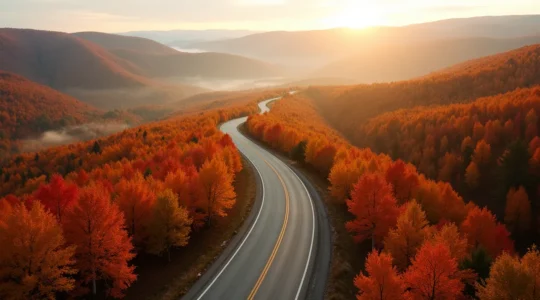
Chasing Fall Colors in the Eastern Townships: The Ultimate Drive
The secret to a perfect fall foliage trip isn’t just hitting the road during “peak week,” it’s about outsmarting the crowds with a strategic, multi-phased approach. Forget the Thanksgiving rush; the most vibrant colours often appear just before the long…
Read more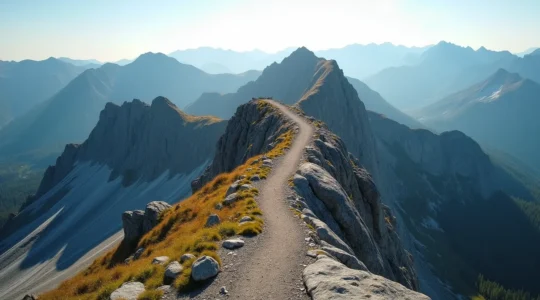
Hiking the Acropole des Draveurs: Preparation for Quebec’s Steepest Alpine Trails
The greatest risk on Quebec’s high peaks is not the trail’s difficulty, but a critical underestimation of your margin for safety. Mandatory park rules, like the noon cutoff time, are based directly on rescue data and are not negotiable. Your…
Read more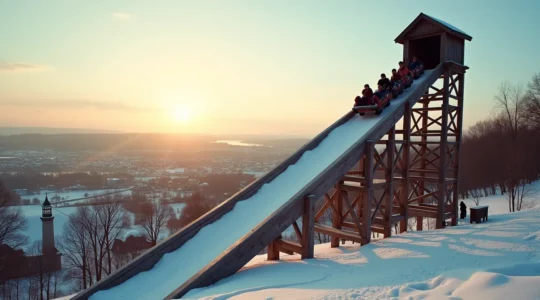
The 1884 Toboggan Slide: Is the Line Worth the Thrill?
The 1884 Toboggan Slide’s legendary thrill is absolutely real, but whether it’s worth the wait depends entirely on your strategy. The intense sensation of speed comes from the wooden toboggan’s vibrations and open-air wind chill, not just the 70 km/h…
Read more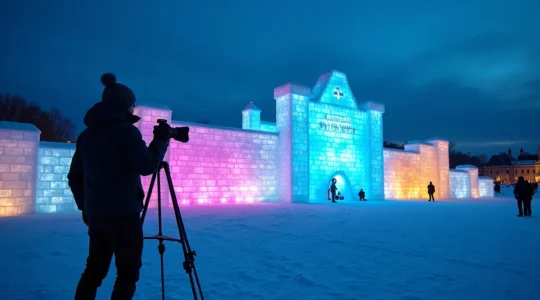
Photographing Bonhomme’s Ice Palace: A Guide to Capturing Light, Ice, and Solitude
In summary: To get the best shots, treat the Ice Palace as an architectural subject, not just a tourist spot. Mastering light means shooting during the blue hour for balance and deep night for drama, paying close attention to your…
Read more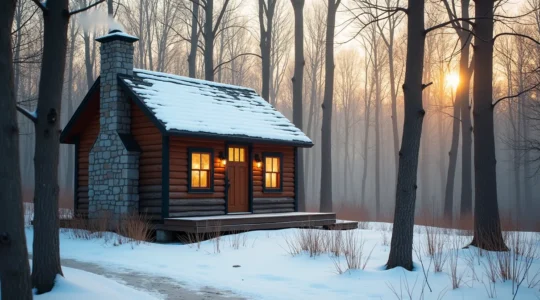
Renting a Sugar Shack Cottage: Experience the Maple Season Like a Local Producer
Renting a sugar shack cottage isn’t just a booking; it’s a commitment to experiencing the ‘temps des sucres’ on the producer’s clock. The true magic happens during the unpredictable March thaw, not on a fixed calendar date. The experience is…
Read more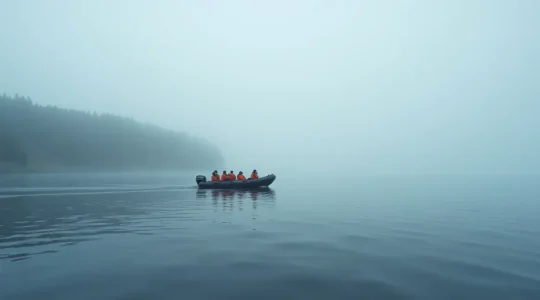
Departing Gaspésie Harbors: Choosing the Right Whale-Watching Cruise for Your Motion Sickness
Beating seasickness on a Gaspé whale tour isn’t about luck or just taking a pill; it’s about proactively engineering your success by understanding physics and biology. Vessel stability is not just about size. It’s about matching the boat’s motion (slow…
Read more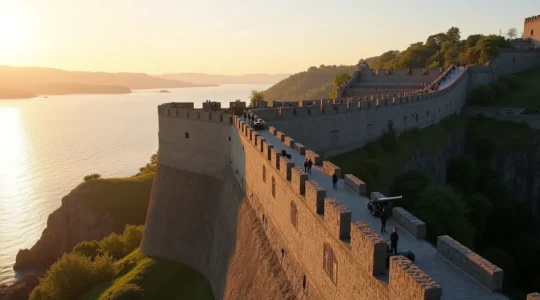
Walking the Walls: A Strategic Guide to Quebec City’s Fortifications for History Buffs
Contrary to the common view of Quebec’s fortifications as a simple historic wall, they are a readable text of evolving military doctrine, where every angle and bastion tells a story of strategic intent. The star-shaped Citadel was not just for…
Read more